Week Two Slowed Down. Here's Where the Birds Went.
Week two numbers, a first look at NorCalHunt stickers, how to pluck and wax a duck, a neoprene vest for your retriever, and Dakota, a Willows black Lab who knows how to read a sign.
Sunday, November 8, 2026
Welcome back to Issue #023. Week two of the valley season is in the books, and the public-area numbers took a step back from the opener. Scaup opened yesterday, pheasant, fall turkey, and the second dove split all open Saturday, and the forecast stays dry and warm through midweek. This issue we've got your second local report with the latest CDFW numbers, a first look at NorCalHunt stickers, a step-by-step on plucking and waxing ducks, a neoprene vest to keep your retriever working on cold water, and Dakota, a black Lab out of Willows with a great photo. Let's get into it.
The Board: Dates and Deadlines
- Scaup is open. Scaup opened Saturday, November 7, in the Balance of State Zone, two per day, through January 31.
- Today, Sunday, November 8: reservation deadline for Wednesday, November 25. Applications for state-operated area reservation drawings close 17 days before each hunt. Next up: Wednesday, November 11 for Saturday, November 28; Thursday, November 12 for Sunday, November 29; and Sunday, November 15 for Wednesday, December 2. It's $1.34 per hunt choice, and results post at least seven days before each hunt.
- Saturday, November 14: the upland opener. General pheasant opens and runs through December 27, two roosters per day for the first two days, three per day after that. Fall turkey opens the same day (through December 13, one either sex per day, two per season), and so does the second dove split (through December 28, 15 per day, no more than 10 white-winged). Bird hunters on public areas, check your area's shoot days before you go.
- Monday, November 16: special pheasant hunt on the refuges. Sacramento, Delevan, and Colusa National Wildlife Refuges host a special Monday pheasant hunt. Check the Sacramento NWR Complex hunting page for details.
- Ducks and geese stay open to January 31. Seven ducks per day, which may include no more than two hen mallards, three pintail, two canvasback, two redheads, and two scaup. Geese are 30 per day, up to 20 white and 10 dark, with no more than six white-fronted geese, or three in the Sacramento Valley Special Management Area, where specks close after December 21. Carry your California Duck Validation, a signed Federal Duck Stamp, and your free HIP validation.
- Junior hunts on the books. In-season junior hunts (18 and under) are set for Saturday, December 12 at Delevan NWR and Saturday, December 19 at Sacramento NWR. All blinds are reserved and you apply by postcard, so get it in early.
- Quail, chukar, and snipe are open. All three run through January 31. Quail is 10 per day in aggregate, chukar is six, and snipe is eight.
- Bear check. CDFW's last posted count was 803 bears as of October 27, well short of the 1,700 that would close the season early. General bear runs through December 27. Get your tag validated before you transport, and present the skull to CDFW within 10 days.
- Report your deer tags. Filled tags are due within 30 days of harvest or by January 31, whichever comes first. Unfilled tags must be reported by January 31, hunted or not.
- Non-lead, every hunt, no exceptions. Certified non-lead ammunition is required for all firearm hunting in California, uplands included. On the water, that means non-toxic shot and a shotgun plugged to three shells.
The Report: Week Two on the Public Ground
Week two came back down to earth. CDFW's results for October 28 through November 1 (the most recent posted) show every north valley public area we track down from opening weekend, and the change in what's hitting the strap tells the story.
Ducks: The west side refuges are still the best of it, and shovelers are carrying the load. Delevan led the pack at 4.1 birds per hunter on Wednesday, October 28, and 3.0 on Saturday, with shovelers and pintail on top both days. Colusa went from 2.8 on Wednesday to 1.7 on Saturday, and Sacramento NWR posted 2.1 on Saturday. On the east side it got tough. Gray Lodge slid from 1.2 on Wednesday to 0.9 Saturday and 0.6 Sunday, with ring-necked ducks the top bird, a big change from the mallard-heavy opener. Little Dry Creek came in at 1.8 with wigeon leading, and Llano Seco at 0.7.
Specks: White-fronts were still the top species at Sutter on Saturday, but the average dropped to 1.4 birds per hunter, and goose numbers in the bag were light across the valley. Remember the three-per-day speck limit inside the Sacramento Valley Special Management Area.
Up north: The northeast areas held up best, with Shasta Valley at 4.1 and Ash Creek at 3.8 on Saturday, though those numbers come from a handful of hunters.
The big picture: this is the classic early-November lull. The local birds have been educated, the big push of northern birds hasn't arrived, and with no rain this week the birds that are here are sitting on the water that's already up. Most of you told us you're still waiting on water (more on that in Community). The NWS says a pattern change is possible late this week, but confidence is low. When the first real storm comes through, expect fresh birds and some scattering. Until then, hunt the wind, hunt the weekdays if you can, and keep your best spot rested.
From Field to Table: How to Pluck and Wax a Duck
Breasting out a duck is fast, but you leave the skin, the fat, and the legs behind. A plucked duck roasts whole, crisps up in a pan, and keeps better in the freezer. Dry plucking gets you most of the way, and a quick wax dip pulls the stubborn down and pin feathers that make plucking by hand a chore. Last week we turned the legs into confit (Issue #22). This week we keep the whole bird.
You will need: your ducks, kept cold; a few pounds of paraffin wax (household canning paraffin or a commercial duck wax); a large pot you are done using for food; a propane burner set up outdoors; water; a big cooler or tub of ice water; a sharp knife or game shears; nitrile gloves; and a fire extinguisher close by.
The method:
- Know the rule first. Federal law requires the head or one fully feathered wing to stay attached to each duck and goose while you transport it from the field to your home or a processor. Do your plucking at home, or leave one wing fully feathered until you get there.
- Rough pluck dry. Work a cool bird with your thumb, pulling a few feathers at a time in the direction they grow. Start at the breast and work around. Go slow over the breast, since wild duck skin tears easily. Clip the wings off at the first or second joint and take the head and feet if you haven't.
- Melt the wax on water. Fill the pot about two-thirds with water, bring it to a near boil, and add the wax. It melts and floats as a layer on top. The water keeps the wax from overheating, so never melt wax straight over a flame.
- Dip, chill, repeat. Holding the bird by the neck or a leg, dip it slowly through the wax layer and pull it out. Plunge it into the ice water to harden the coat, then dip again. Two or three coats builds a shell thick enough to peel.
- Peel it off. Once the wax is hard, crack it and peel it away. The down and pin feathers come with it. Strain the used wax through a screen or old cloth and save it for next time.
- Clean and cool. Gut the bird, rinse the cavity, feel for shot, and get it back on ice. Then roast it whole, sear it skin-side down, or vacuum seal it for later (Issue #7).
Doneness and safety note: paraffin is flammable. Do this outdoors, keep the water under the wax at all times, never leave the pot unattended, and keep that extinguisher in reach. For the table, USDA guidance for poultry, game birds included, is 165 degrees. Many hunters pull a plucked breast at a rosy medium-rare the way we did the goose in Issue #21, but if you're cooking for kids, older folks, or anyone pregnant, cook it through. Legs and whole roasted birds should hit 165 at the thickest part of the thigh. Wear nitrile gloves while you work, and keep the birds cold from the field to the kitchen with the cooler from Issue #15.
Gear Check: A Neoprene Vest for Your Retriever
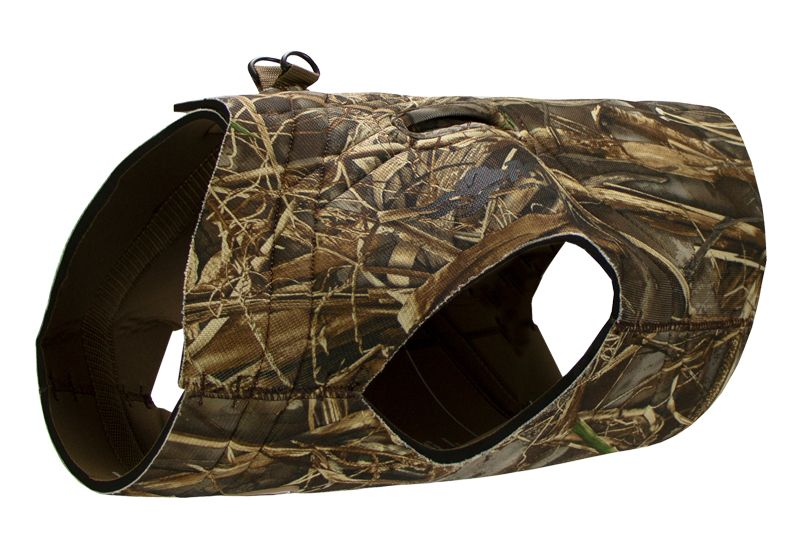
You've got waders (Issue #16) and a repair kit (Issue #22). Your dog hits the same cold water with nothing but fur. A neoprene vest traps body heat, cuts down on shivering, and guards against cattail stubs and barbed wire.
Our value pick is the Avery Boater's Dog Parka: 5mm neoprene, a tapered cut that lets the dog swim, reinforced seams, and an adjustable torso. It runs about $50 to $60, so check current pricing.
Fit and trade-offs: measure neck and chest and order snug, because a loose vest lets water in and chafes. Skip it on warm days and hard upland runs, and don't treat it as a life jacket, since current versions have no flotation.
Step up: premium vests from the bigger waterfowl brands run two to three times the money for thicker neoprene and more coverage.
The Showcase: A First Look at NorCalHunt Gear
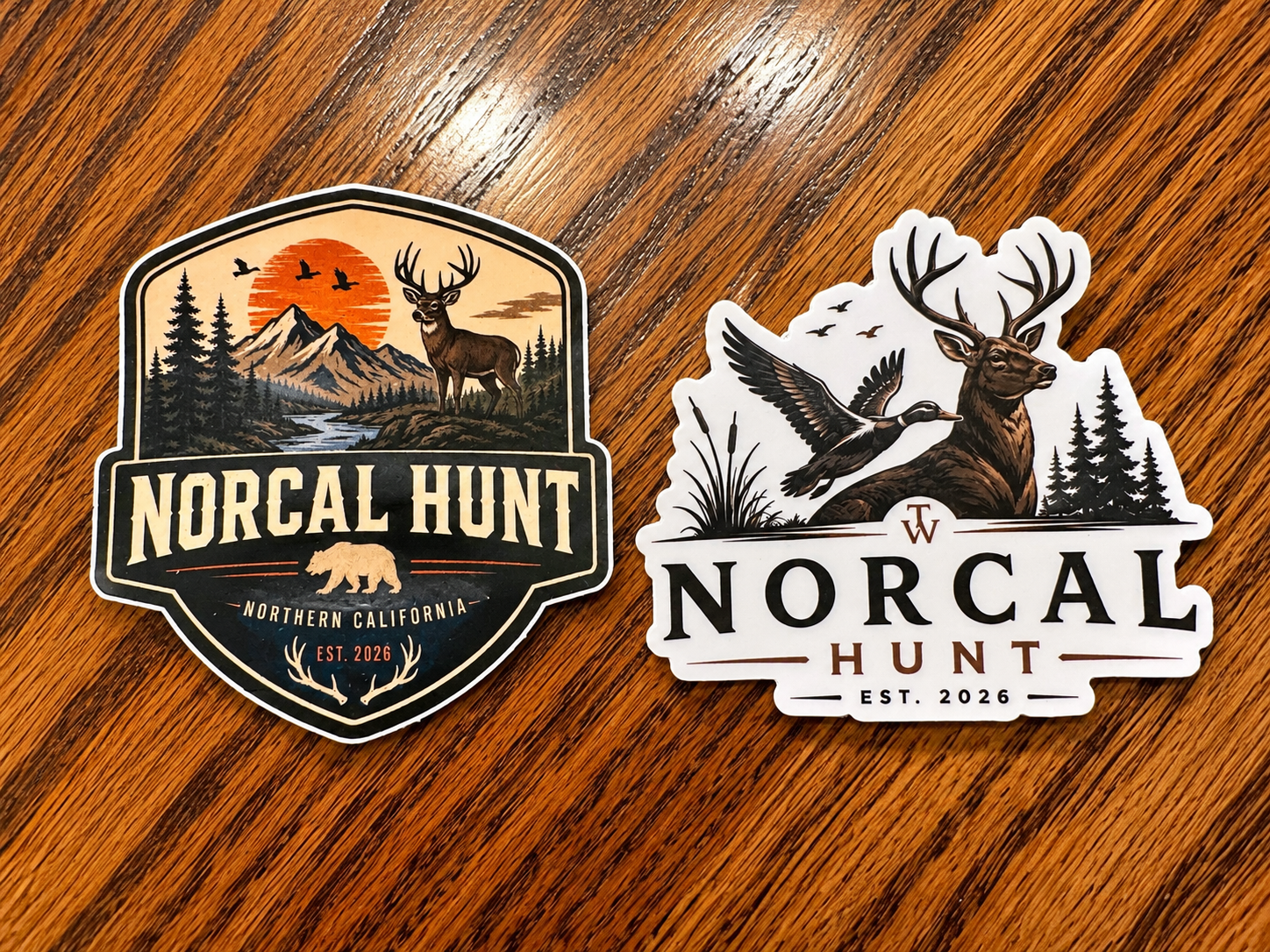
This week the Showcase is a little different, because the photo is ours. Here is your first look at one way to rep NorCalHunt: two sticker designs, already printed and ready to go, with more on order. Slap one on the truck window, the gun case, the cooler, or the blind door, and let the next hunter at the boat ramp know where you get your Sunday briefing. Check out the full shot on our Showcase page, and tell us what you think in this week's poll below. Stickers are just the start.
The Showcase is exclusive to subscribers, so the folks on this list see it first. Next week it could be yours: a strap from the pit blind, a speck spread at sunrise, an opening-day rooster, or a dog mid-retrieve. Hit reply with your photo or clip and a sentence about it, and tell us how you want to be credited (we run first name, last initial, and town). The best one each week runs up top and earns a permanent spot on our subscribers-only Showcase page.
Dog of the Week
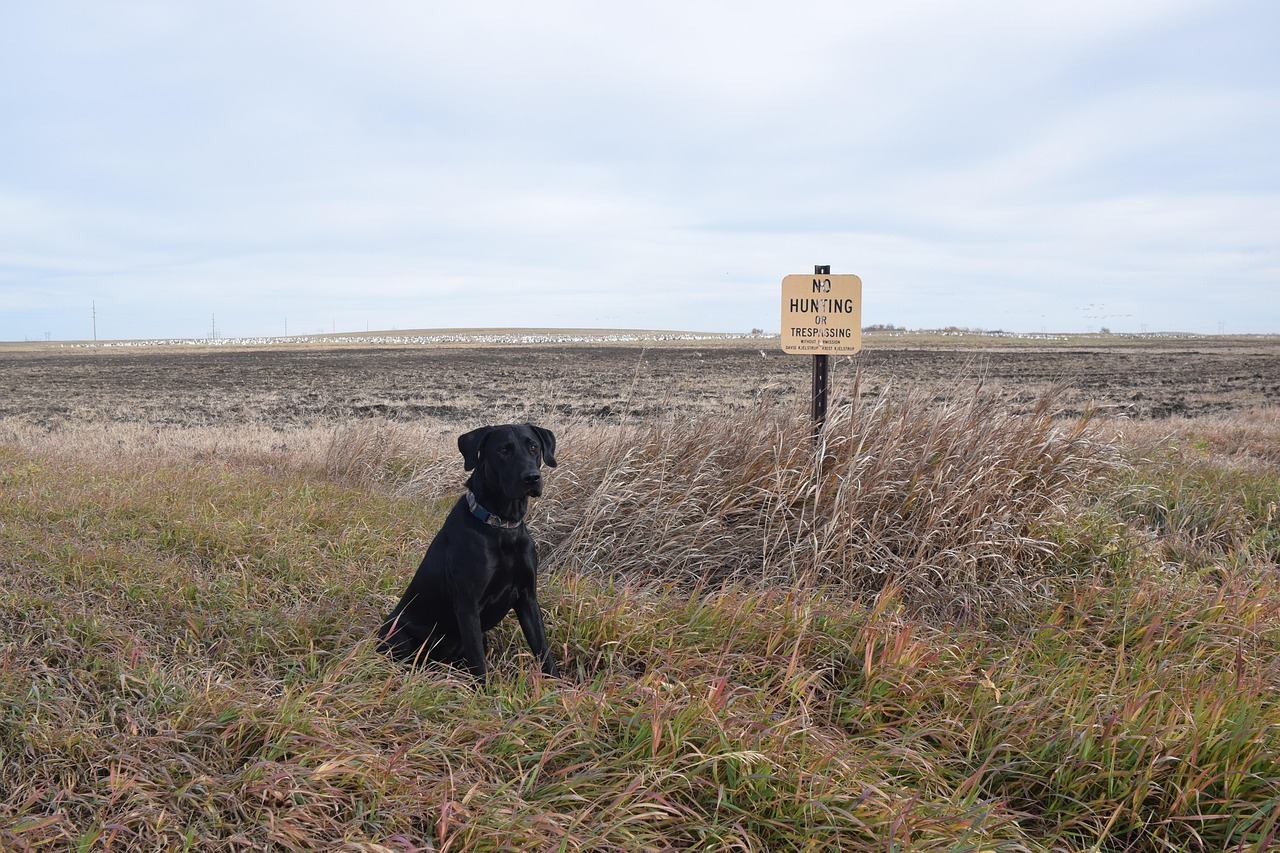
Meet "Dakota" (Submitted by Randy H., Willows)
Dakota is a black Lab out of Willows, and this shot from last season is one of our favorites yet. He's sitting square in front of a No Hunting sign with a field of snow geese off in the distance, looking like he knows exactly where the line is and isn't happy about it. That's a dog who has done his homework. Here's to a season of birds on the right side of the sign, Dakota.
Want your dog featured? Hit reply, send us a clean photo of your hunting partner, and give us a quick 2 to 3 sentence blurb on what they hunt and where they earn their kibble. Pointers, flushers, retrievers, and the occasional very good mutt all qualify. Missed a week? Catch up on every dog we've featured on our past Dogs of the Week page.
From the Field: Your Story Here
No field story this week, so the spot is open for yours. Two weeks into the valley season, some of you have already had the kind of morning that gets retold at every tailgate: the late flight that saved a slow day, the dog that found the bird nobody else could, or the season's first speck that came in low and quiet.
Got a hunt that turned into a story? A first bird, a near miss, a morning that went sideways and turned out better for it? Hit reply and tell it the way you would at the tailgate, and we'll clean it up. Catch up on the ones we've already run on our field stories page.
Community: Help Us Build the Pack
Week two of local reports, and they only get sharper with your intel. Drop us a quick reply and tell us:
- Where are you hunting right now, and what's in the bag: shovelers, mallards, wigeon, or specks?
- Has water come up on your spot yet, or are you still waiting?
- What would make the weekly briefing more useful to you?
Last week's poll: do you have water to hunt? The majority answered not yet, still waiting on water. That lines up with what the numbers and the forecast are showing. Hang in there, and keep that blind ready.
This week's poll: what NorCalHunt gear would you rock?
What NorCalHunt gear would you rock?
Got a hunting partner in the foothills, the rice, or along the riverbanks? Forward this briefing and point them to norcalhunt.com. Word of mouth from real hunters is how we grow.
Local Services: Find It Close to Home
Paraffin and a propane burner for plucking day, a vest for your retriever, a box of non-lead loads for the pheasant opener, or a shop that can get your boat ready for the season: somebody close to you has it. Our local services page keeps the NorCal businesses that treat hunters right all in one place. Check it out at norcalhunt.com/localboys, and if your shop belongs on it, hit reply.
Conditions: Dry, Warm, and Foggy at First Light
The National Weather Service in Sacramento has dry and warm weather on track through the weekend and into early this week, with highs above normal. Expect valley afternoons around 70 degrees, lows in the mid to upper 40s, and patchy valley fog on some mornings. Breezy north to east winds have been in the mix at times. The forecasters are watching for a possible pattern change in the middle to late part of the week, but confidence in timing is low, so don't count on rain yet.
Before you load the truck:
- Fog means slow down. Valley fog on the drive in makes back roads and levees dangerous. Leave early, drive slow, and know your blind route by GPS.
- Use the fog. A low ceiling can keep birds flying and decoying later into the morning. Stay patient and stay hidden.
- Hunt the wind. On bluebird days, a breeze is your best friend. Set up with it at your back and the birds working into it.
- Mind the fire risk. Valley grass is still dry and north-to-east winds dry it out further. Check fire.ca.gov and your local burn rules, and watch your exhaust and any campfire plans.
- Cool your birds fast. Afternoons near 70 will sour ducks and pheasants left in a pile. Get them on ice before the drive home.
Stay safe out there, get your gear cleaned, and we'll see you in the field.
The NorCal Hunt Team
#023